The Transformative Role of AI in Healthcare
Artificial Intelligence (AI) is reshaping the healthcare industry, offering revolutionary solutions across various domains to enhance diagnostics, optimize workflows, and improve patient outcomes. Below are some areas where AI can potentially make a significant impact:
1. Diagnostic Decision Support
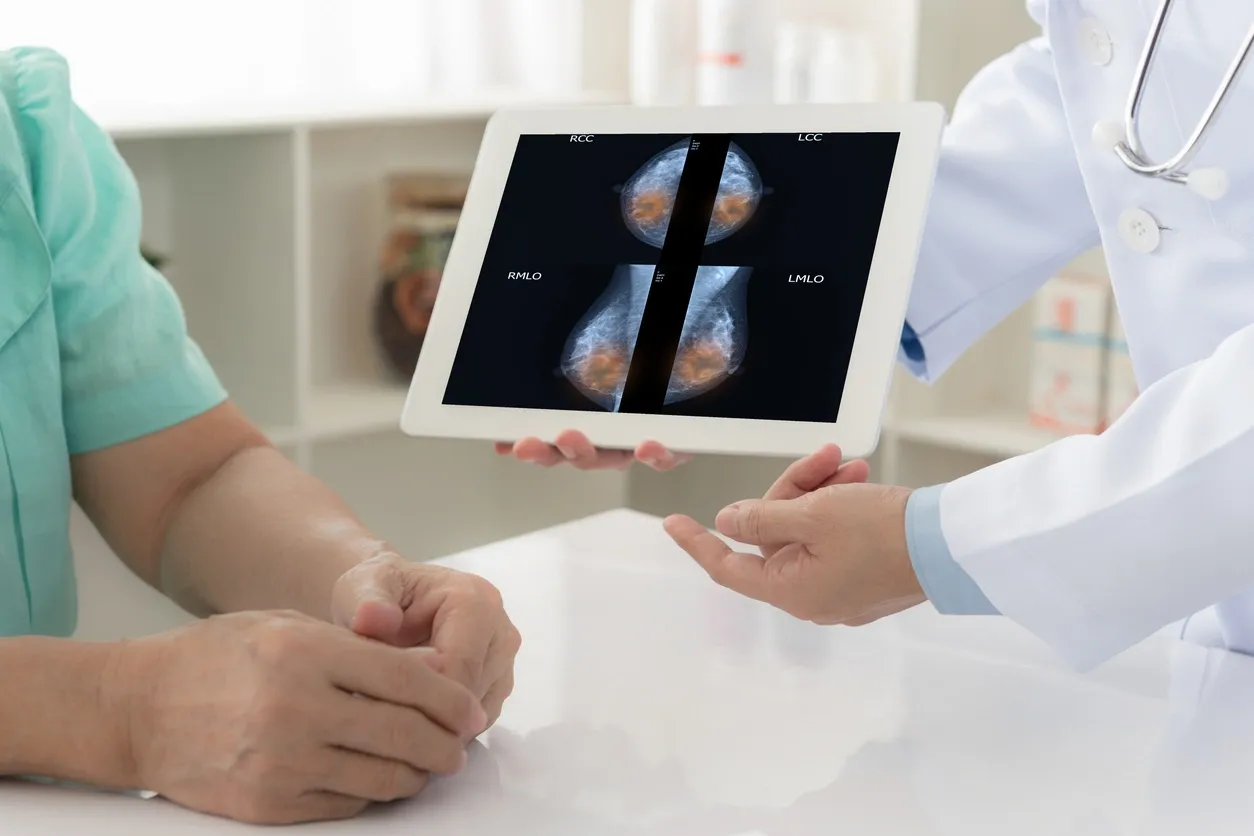
AI-powered tools are increasingly being used to assist clinicians in diagnosing complex conditions. Machine learning algorithms can analyze medical imaging (e.g., X-rays, MRIs, and CT scans) with precision, often matching or surpassing human expertise. For example, AI models can detect anomalies like tumor.
2. Enhancing Productivity
AI streamlines administrative and operational tasks, allowing healthcare professionals to focus more on patient care. Natural Language Processing (NLP) automates documentation by transcribing physician-patient interactions and summarizing them in real time. AI scheduling systems can optimize resource allocation, minimizing bottlenecks in hospitals.
3. Predictive Analytics
AI in predictive analytics by analyzing big datasets to forecast patient outcomes. By identifying patterns in electronic health records (EHRs), AI can predict hospital readmissions, sepsis, or complications during surgery. This enables proactive decision-making and improves resource management.
4. Personalized Patient Management
AI tailors care plans to individual patients by leveraging data from wearable devices, EHRs, and lifestyle inputs. Chatbots and virtual assistants provide 24/7 patient support, improving engagement and adherence to treatment plans. Predictive algorithms monitor chronic diseases, alerting caregivers proactively to potential deterioration.
5. Drug Discovery and Development
AI accelerates drug development by analyzing molecular structures and predicting how potential drugs will interact with biological systems. This drastically reduces the time and cost associated with bringing new treatments to market.
6. Advancements in Genetics
AI is transforming genetics by enabling the analysis of vast genomic datasets. Machine learning algorithms identify genetic markers for diseases, predict hereditary conditions, and support gene editing efforts .This contributes to the development of precision medicine tailored to an individual’s genetic makeup.
7. Integrated AI Platforms
Platforms that integrate AI across multiple areas are becoming essential in modern healthcare ecosystems.
Thoughts?
AI is revolutionizing healthcare by improving accuracy, efficiency, and accessibility.
Questions to address?
• Liability: Is it the developer, the healthcare provider, or the institution responsible?
• Regulatory Compliance: AI systems must comply with stringent regulatory standards
• Data Privacy: Automation relies on processing large amounts of patient data, raising concerns about compliance with privacy.
• Malpractice Risks: If an AI system recommends a care plan that results in harm.
it is a learning experience and regulators will have to govern the growth and adoption of AI especially in Healthcare.